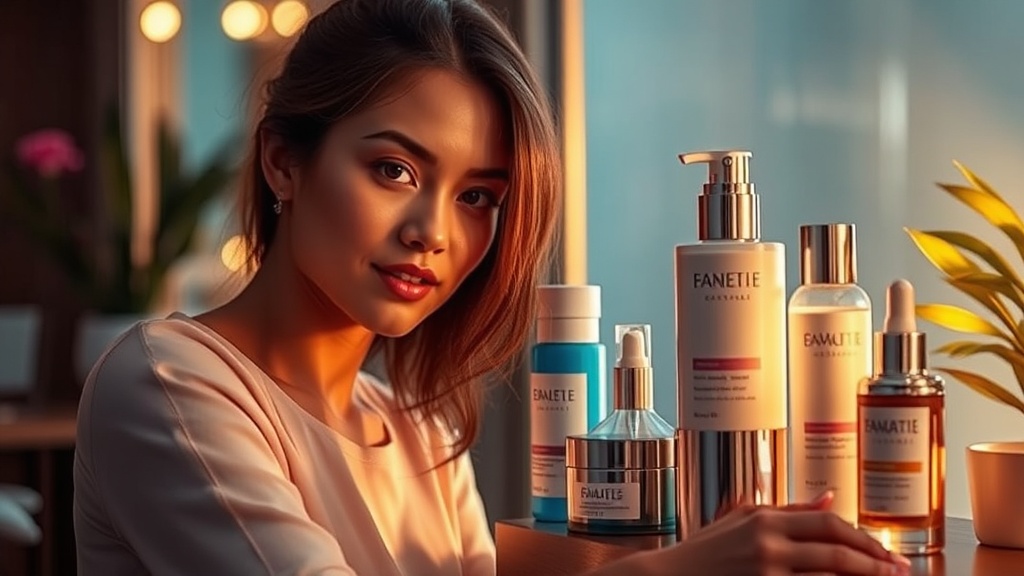
Score Premium Skincare and Beauty Products for Free

A sleek, frosted glass bottle of luxury serum sits on a marble countertop, catching the light from a nearby window. High-end skincare is notoriously expensive, but you don't always have to pay full price for premium ingredients. This post breaks down exactly how to secure high-end lotions, serums, and beauty products through samples, testing programs, and strategic brand engagement.
How Can I Get Free Skincare Samples?
You can get free skincare samples by signing up for brand loyalty programs, participating in product testing panels, and joining official brand clubs. Most major beauty brands want to get their formulas into your hands to build trust. They aren't just giving things away for fun—they want your feedback and your future loyalty.
One of the most reliable ways to start is through official brand websites. For example, brands like Sephora and Ulta Beauty often include deluxe samples with certain purchases or through their specific rewards programs. You won't get a whole bottle of La Mer for free just by clicking a button, but you can certainly snag high-quality trial sizes.
Look for these specific methods:
- Beauty Subscription Boxes: While many are paid, some companies offer "mini" versions or promotional samples as part of their introductory tiers.
- Brand Loyalty Programs: Signing up for a free account on a brand's site (think Glossier or Clinique) often triggers a "welcome gift" or a free sample with your first order.
- Direct-to-Consumer (DTC) Samples: Many newer, boutique brands will ship you a tiny vial of a new serum just for being on their email list.
It's worth noting that these samples are often the best way to test if a product reacts well with your skin before committing $80 to a full-size jar. (I've saved a fortune by testing high-end sunscreens this way before buying the full bottle.)
Where Do Beauty Brands Find Product Testers?
Beauty brands find product testers through third-party testing agencies and dedicated consumer research panels. If you want to move beyond tiny samples and receive full-sized products, you need to join professional testing groups. These companies act as the bridge between the laboratory and the consumer.
When you join a testing panel, you aren't just a customer; you're a data point. You'll receive a product—perhaps a high-end cleanser from a brand like CeraVe or a luxury facial oil—and you'll be asked to provide detailed feedback on texture, scent, and efficacy. In exchange, you keep the product.
Here are the most common types of testing programs:
- Consumer Research Panels: Companies like Influenster are famous for this. You create a profile, follow them on social media, and if you match their target demographic, they ship you full-sized products to review.
- Clinical Trial Participants: This is more serious. Medical research institutions and large cosmetic firms often need human subjects to test for safety and dermatological reactions. This is highly regulated, often overseen by standards similar to those found on the FDA website.
- Influencer Seedings: Even if you don't have a million followers, many brands send "PR packages" to micro-influencers. If you have an active Instagram or TikTok where you talk about skincare, reach out to brands directly.
That said, don't expect to get a box every week. These spots are competitive. You have to actually be active in the community to get noticed.
Comparing Freebie Methods: Effort vs. Reward
Not all freebies are created equal. Some require a lot of work for a tiny reward, while others are much more lucrative. I've put together this table to help you decide where to spend your time.
| Method | Effort Level | Typical Reward | Speed of Delivery |
|---|---|---|---|
| Brand Loyalty Sign-ups | Low | Travel size/Sachet | Fast (with purchase) |
| Influencer Seeding | High | Full-sized product | Variable |
| Review Sites (Influenster) | Medium | Full-sized product | Slow (Monthly) |
| Clinical Studies | Very High | Product + Potential Stipend | Very Slow
Does Signing Up for Freebies Cost Your Privacy?
Yes, many freebie programs trade your personal data and email address for physical products. When you sign up for a "free sample," you are essentially entering a marketing funnel. The brand wants your email to send you newsletters, birthday coupons, and promotional offers.
If you want to participate without cluttering your primary inbox, I recommend using a dedicated "junk" email address. This keeps your main account clean while still allowing you to score the goods. If you're worried about how your data is handled, you should always check the privacy policy—it's a bit of a chore, but it's important. If you want to learn more about how to stay safe online while hunting for deals, check out my post on finding freebies without selling your data.
A lot of people don't realize that "free" is often a transaction. You aren't paying with money; you're paying with your attention and your information. If you're comfortable with that, go for it. If not, stick to the more anonymous methods like testing through established research agencies.
One thing to watch out for is the "shipping fee" trap. Some sites will offer a "free" product but ask you to pay $5 or $10 for shipping. Usually, this is a way to sell you a subscription. Always read the fine print before you enter your credit card details. It's a common tactic for many "free" beauty brands to hide a recurring monthly charge in the small text.
If you're looking for high-value items that aren't just physical products, you might also be interested in finding high-value digital products and software for free. The principles of looking for high-quality, high-value items for zero cost are very similar across both physical and digital realms.
I've spent years looking for these kinds of deals. It takes patience. You won't strike gold every day, but when you find a brand that sends out full-sized serums or high-end cleansers, it's a massive win for your skincare routine and your bank account.