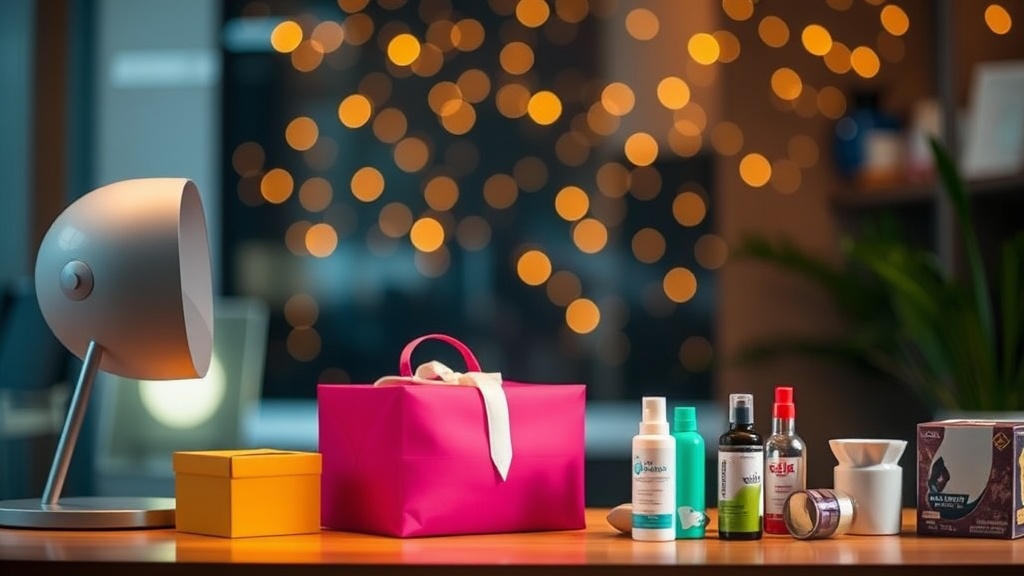
Product Testing Programs That Actually Send Free Full-Size Items

Ever wonder how your neighbor keeps unboxing full-size products they got for free while you're still clipping coupons?
Product testing programs represent one of the most overlooked corners of the freebie world. These platforms partner with brands seeking honest consumer feedback before launching new items to market. Members receive complimentary products—everything from protein bars to premium skincare—in exchange for detailed reviews and social sharing. Unlike sketchy "free stuff" schemes that harvest your data or charge hidden fees, legitimate testing panels are completely free to join and can deliver hundreds of dollars worth of goods annually. The key lies in knowing which programs actually ship merchandise and how to position yourself as a desirable tester.
What Are Product Testing Programs and How Do They Work?
Product testing programs operate as sophisticated market research tools connecting manufacturers directly with target consumers. Brands need authentic opinions before investing millions in nationwide product launches. Rather than paying for expensive focus groups or television advertising, companies ship free merchandise directly to selected consumers who match specific demographic profiles. Testers use the products for a set period—usually two to four weeks—then submit feedback through detailed surveys or social media posts. Some programs require comprehensive written reviews covering texture, effectiveness, and packaging; others simply ask for star ratings and photo submissions. (The best programs don't require you to return the items afterward—though a few do want their expensive electronics back, which seems fair enough.)
These programs differ significantly from the sample tables you might find at Costco or specialty grocery stores. You're not getting tiny one-use packets that barely cover your palm. Product testers regularly receive full-size merchandise worth anywhere from $20 to $100 per individual shipment. The trade-off? Your feedback must be thorough, honest, and submitted within specified timeframes. Companies aren't hunting for glowing praise—they genuinely want to know if that moisturizer breaks you out, if the protein powder tastes like chalk, or if the kitchen gadget actually performs as advertised in those late-night infomercials.
Which Product Testing Sites Actually Deliver Real Products to Your Door?
Not all testing platforms operate with equal reliability. Some maintain active communities with consistent monthly shipments; others feel like digital black holes where applications disappear without acknowledgment. Here are seven programs with documented track records of actually sending goods to qualified members:
1. BzzAgent
BzzAgent stands as one of the longest-running product testing communities, operating successfully since 2001. Members complete detailed profile surveys covering everything from dietary restrictions and allergy concerns to pet ownership and household composition. The platform's algorithm matches testers with campaigns from major brands like L'Oréal, Unilever, Nestlé, and Procter & Gamble. When selected for a campaign, you'll receive a "BzzKit" containing full-size products plus educational materials and sharing tools. The expectation? Use the items authentically, then spread honest word-of-mouth recommendations to friends and post detailed reviews online. BzzAgent values quality engagement over sheer volume—they'd rather have ten thoughtful, detailed reviews than a hundred lazy star ratings. Campaigns range from everyday snack foods to high-end beauty devices and specialty beverages. Check out their current opportunities at BzzAgent's official website.
2. Influenster
Influenster caters particularly to beauty enthusiasts, lifestyle product fans, and socially active consumers. After joining, members complete "snaps"—quick surveys about product preferences, shopping habits, and brand awareness. High engagement levels and complete profiles significantly increase your chances of receiving VoxBoxes, themed packages typically containing 5-8 full-size products. Recent boxes have included everything from K-Beauty skincare lines to organic baby food and specialty coffee blends. Unlike some programs, Influenster emphasizes social media sharing. Recipients typically must post unboxing videos, detailed reviews, or usage demonstrations on Instagram, TikTok, or YouTube. The platform boasts over six million members globally, making competition understandably stiff—but the payoff includes premium brands like Charlotte Tilbury, Drunk Elephant, and Pat McGrath Labs. Visit Influenster to start building your profile today.
3. PINCHme
PINCHme operates on a Tuesday-release model that creates understandable urgency among freebie hunters. Every other Tuesday at 12 PM Eastern Time, the platform drops new sample inventories. Free members rush to claim available items before supplies disappear—usually within hours for popular products. While PINCHme focuses heavily on samples rather than exclusively full-size products, occasional "deluxe" items and full-size merchandise appear for established members. The platform partners with recognizable brands like Colgate, Purina, Dove, and BIC. After testing, members complete short feedback surveys covering satisfaction and purchase intent. Consistent reviewers earn "PINCHme Points" toward bonus rewards and priority access. The key to success? Set calendar reminders for release days and complete surveys promptly—slow responders get deprioritized for future drops.
4. Smiley360
Smiley360 (now part of the Branded Surveys family) emphasizes mission-based testing over passive product receipt. Rather than simply receiving and reviewing, members complete structured "missions" involving social sharing, friend referrals, photo documentation, and detailed feedback submissions. Products tend toward household goods, pet supplies, over-the-counter health items, and seasonal merchandise. Recent missions featured Air Wick diffusers, digestive health supplements, premium dental care kits, and specialty cleaning products. The platform rewards thorough participation with exclusive high-value offers and early access programs. Members who consistently complete missions with quality content receive priority access to premium testing opportunities worth $50 or more per individual product.
5. Vogue Insiders
Vogue Insiders targets beauty and fashion enthusiasts willing to provide detailed feedback on luxury and prestige items. The program—run by Condé Nast—seeks engaged consumers active on social media platforms. Selection criteria emphasize content creation skills and writing quality over raw follower count. Even micro-influencers with 500 engaged followers regularly receive high-end cosmetics, fragrances, and skincare worth $100+ per package. Testing periods typically last 30 days, after which members submit detailed usage diaries, photo documentation, and comparative analysis with existing products. The program runs invitation-only enrollment periods, so check their website regularly for open registration windows.
6. CrowdTap
CrowdTap gamifies the testing experience with points, badges, leaderboards, and achievement systems. Members answer daily polls, participate in brand discussions, and apply for specific product testing opportunities. The platform sends both samples and full-size items depending on campaign requirements and member profiles. Brands like Burt's Bees, Garnier, emerging startups, and established CPG companies use CrowdTap for pre-launch feedback and competitive research. Active members report receiving 2-4 products monthly during busy periods, with slower months still yielding regular survey opportunities. The points system converts to gift cards for major retailers, adding another revenue stream beyond free merchandise.
7. SampleSource
SampleSource operates differently from ongoing monthly programs—it's seasonal rather than continuous. Four times yearly (March, June, September, December), the platform opens registration for free sample boxes. Members select available samples from a rotating catalog of current offerings. While individual items tend toward travel sizes and trial packets, quarterly boxes often contain 10-15 different products across multiple categories. The selection spans personal care, household cleaners, healthy snacks, and pet treats. Canadian and American residents can register at SampleSource.com, though available inventory varies significantly by geographic region.
How Can You Maximize Your Chances of Getting Selected?
Getting into these programs and receiving consistent offers requires strategy beyond simple registration. Platforms use sophisticated algorithms matching tester demographics to specific target markets for each campaign. A 22-year-old vegan in Portland receives radically different offers than a 45-year-old parent in suburban Atlanta. Complete every profile survey available—these demographic data points determine eligibility for 90% of campaigns. Update your information quarterly as life circumstances change. (Had a baby? Update that profile immediately. New dietary restrictions? Log them before the next survey cycle. Moved to a new climate? Your skincare needs just changed.)
Engagement history matters significantly across all platforms. Programs track response rates to surveys, review requests, and feedback deadlines. Members who disappear after receiving products—so-called "sample poachers"—get blacklisted quickly and permanently. Conversely, consistent reviewers—even of inexpensive items—build reputation scores qualifying them for premium campaigns worth significantly more. Photograph products well; blurry bathroom mirror shots won't impress algorithmic selectors or brand managers reviewing potential testers.
Social media presence helps but isn't strictly mandatory for most programs. Many platforms now offer "private" testing tracks for participants uncomfortable posting publicly or maintaining smaller networks. However, accounts with engaged followings—even modest ones of 200-500 followers—often receive higher-value items specifically designed for unboxing content and authentic testimonials. The Federal Trade Commission requires clear disclosure of material connections, so always label testing posts with appropriate hashtags like #ad, #complimentary, or #sponsored. The FTC's endorsement guidelines provide clear direction on proper disclosure requirements for product testers and influencers.
What Red Flags Should You Watch For?
Legitimate testing programs never charge membership fees, application fees, or shipping costs. They don't ask for credit card numbers "for shipping verification" or "identity confirmation." Real platforms won't guarantee specific monthly product values or delivery schedules. Be wary of sites requesting extensive financial information, bank account details, or Social Security numbers early in the registration process. Trustworthy programs clearly explain data usage policies and allow complete profile deletion upon request. When uncertain, search "[Program Name] + reviews" on Reddit's r/freebies community or consumer review sites before submitting personal information.
The product testing world rewards patience, persistence, and authenticity. Most new members report waiting 2-3 months before receiving their first major shipment as platforms evaluate reliability. Build profiles across multiple platforms simultaneously to increase odds and diversify opportunities. Document your experiences thoroughly and honestly. Before long, you'll join the ranks of savvy freebie hunters unpacking legitimate merchandise without spending a dime—while providing valuable feedback that shapes tomorrow's consumer products.